
Finding transport that actually works around your day — not the other way round — is one of the trickiest parts of using the NDIS in a city as busy as Sydney. I’ve seen plenty of people trying to piece together options, and it’s often why they start looking into NDIS transport support Sydney service as a way to get something more reliable. This guide keeps things simple: what to check, what to ask, and how to steer clear of the usual hassles like late pickups, odd fees, or being dropped at the kerb when you really needed help getting inside. After years around community programs, I’ve watched the right transport setup quietly keep life ticking — work, TAFE, therapy, catching up with mates. The wrong setup? It drains time and energy fast. Let’s tilt things in your favour.
What good NDIS transport looks like in Sydney
Good transport is more than a car and a timetable. It’s the mix of vehicle, people, and process that stays solid even when traffic goes feral.
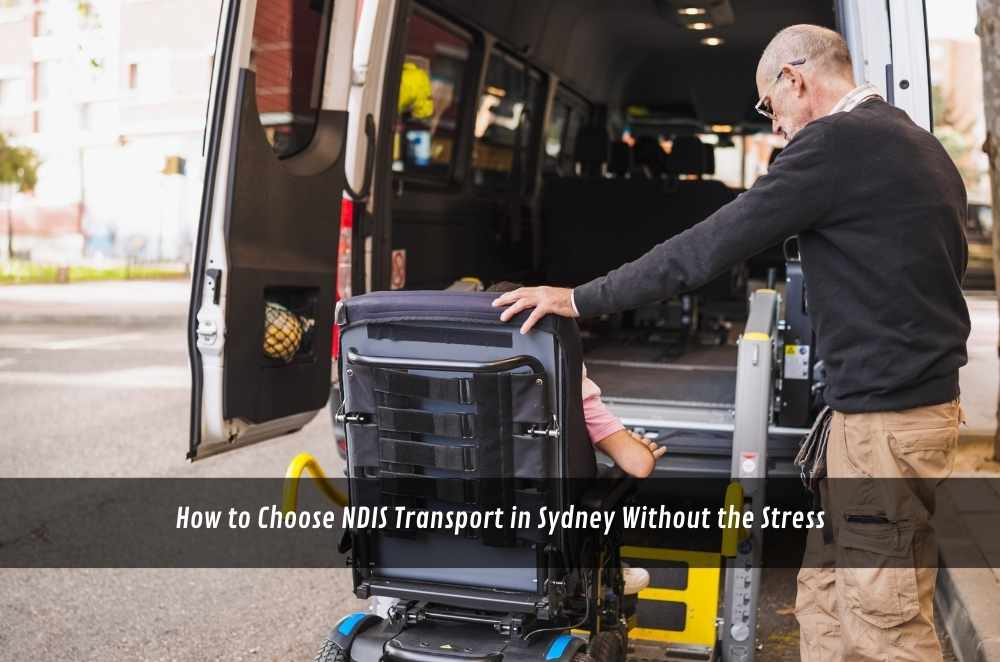
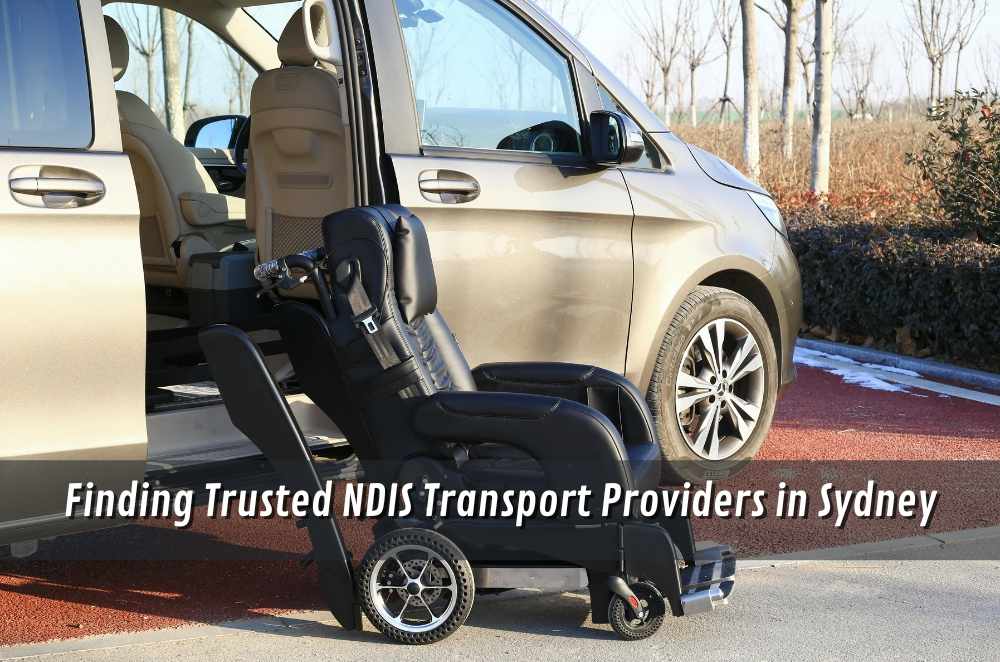
Vehicle fit and comfort: low-step or ramp access, reliable restraints, working air-con, and enough space for your chair’s dimensions and turning circle.
Support level, not just a seat: driver-only, door-to-door, or door-through-door assistance — confirmed before the day, not guessed on arrival.
Clear booking rhythm: predictable windows, SMS on approach, live updates if they’re running late, and a real phone number that’s answered.
Compliance baked in: worker screening, insurance, manual handling and first aid training, and familiarity with NDIS travel/transport rules.
Transparent charging: you can see what’s participant transport (your trip) vs provider travel (their travel to you). Different things. Different rules.
A provider who nails these basics reduces decision fatigue. You stop firefighting and start living by your plan.
Funding basics that make the difference
Two terms often get mixed up: participant transport (the funding that helps you get to everyday activities) and provider travel (what a worker may claim when they travel to you). Your plan may include transport funding if you can’t safely use public transport because of disability. The NDIA breaks down the different transport levels, what’s included, and what sits outside the rules in its guidance on NDIS assistance with travel and transport.
Quick tips to keep the dollars tidy:
Know your level and goals: frequency matters. If you travel multiple times a week for work or therapy, the right level prevents constant top-ups.
Separate the charges: ask the provider to label invoices clearly: participant transport vs provider travel vs any wait time, tolls, or parking.
Batch your bookings: cluster regular trips (e.g., Tuesdays/Thursdays) to reduce dead time and last-minute scrambles.
Confirm cancellation rules: life happens; you want fair notice periods and a humane approach to hospital overruns.
Document patterns: when something works, write it down. It helps at plan review to justify what’s reasonable and necessary.
How to compare providers without losing your sanity
Sydney has a long tail of providers: dedicated fleets, support orgs with vehicles, even hybrids that contract drivers. Comparison gets easier when you pin down specifics.
Coverage and timing: “Do you service my suburb at 7:30 am Wednesdays?” Not “Do you cover Sydney?”
Vehicle specs: ramp gradient, tie-down systems, weight limits, and whether they can handle larger power chairs.
Support scope: Will they help inside the clinic or campus if you need it? Or are they strictly kerbside?
Driver consistency: rotating crews can be fine; some participants need familiar faces for safety and calm.
Communication: app or text updates, a dispatcher who actually picks up, and escalation when the unexpected happens.
Price sheet in plain English: per-km or per-minute? Fixed zones? Wait time rules? Parking/tolls? Show an example invoice.
Two lived examples (the little tweaks that matter)
Example 1 — the early clinic juggle
I coordinated a Wednesday block with three morning clinic arrivals around Liverpool. The provider had live GPS tracking, which sounded fancy, but the real magic was staggered pickups: the wheelchair user first (securement takes longer), then two ambulant passengers. We built five-minute buffers and a rule — if the first appointment slipped, dispatch called the clinic while the driver pushed on. Result: on-time arrivals and invoices that cleanly separated participant transport from the driver’s start-of-shift travel. When review time came, we had a short, boring story for the planner: it works, it’s consistent, and the costs make sense.
Example 2 — door-through-door is a different service
A participant needed help past the front door: lifts, signage, check-in desks. A kerbside drop left her anxious and late. We trialled a provider who could escort inside for the first ten minutes and return for pick-up with a “text when you’re ready” system. Anxiety dropped. Attendance improved. The next plan linked transport funding to real, measured needs. Not more money for the sake of it — just the right type of support.
Practical checklist for your first call
Bring this to the phone or first email. It saves three back-and-forths.
Trip types & frequency: medical, therapy, education, social, work. How many trips per week? Any school-hour clashes?
Accessibility details: chair width/weight, transfer assistance, equipment carried, preferred side for boarding.
Safety & comfort: sensitivity to heat/cold, need for rest breaks, seizure or diabetes protocols, communication preferences.
Pickup/return choreography: buffer time, campus navigation, and who to call if the appointment runs long.
Pricing proof: a one-pager with examples showing participant transport vs provider travel, including wait time and parking.
Trial run: book one short trip first. Kick the tyres before committing to a routine.
Two-week review: Are arrivals reliably on time? Are invoices readable? Any “gotchas” we can engineer out?
Many of the practical details people deal with—like managing ramp angles, setting up restraints, or navigating a first wheelchair trip—fall under the day-to-day realities of transport for NDIS participants.
When you need more than a ride
Some days you don’t just need a lift; you need reliability under pressure. Hospitals run late. The weather turns. Energy levels crash halfway through a long morning. The providers who cope best tend to:
Over-communicate (short texts beat silence).
Keep driver notes up to date, so support levels aren’t re-explained each week.
Offer consistent crews for high-anxiety trips.
Treat invoices as a record of care, not just a bill.
Small things. Big difference. And yes, they’re worth asking for.
Final thoughts
You don’t need a NDIS transport provider Sydney. You need a good, boring system that shows up, charges fairly, and helps you reach the places that matter. Start with clarity on your funding, ask concrete questions about vehicles and support levels, and insist on written pricing with examples. Trial one route. Review it after a fortnight. If it works, scale it. If not, move on quickly — there’s choice in Sydney, especially if you’re looking in the right places and at the right times of day.







Write a comment ...