
Transport sounds simple until you’re the one organising it. For many people living with disabilities, the hardest part isn’t the appointment or the outing. It’s the travel in between—getting there safely, arriving in a good headspace, and getting home without the day falling apart. Sydney adds its own challenges. Traffic is unpredictable, parking can be a nightmare, and “accessible” doesn’t always mean workable in real life. This guide explains how NDIS-related transport support generally works, what to check in a plan, and how families can set up routines that actually hold up week to week.
Why transport becomes the hidden barrier
When transport is unreliable, everything else gets shaky.
Therapy gets missed. Medical follow-ups get pushed back. Social plans get cancelled. Even small errands can take more effort than they should.
A lot of families end up spending more energy coordinating travel than they do on the support itself.
That wears people down.
What NDIS transport support can cover
NDIS transport support is about reducing disability-related barriers to getting to everyday life activities.
Depending on a participant’s plan and goals, transport-related supports may help with:
Attending medical or allied health appointments
Getting to work, study, training, or a day program
Community access and social participation
Safe travel for a person who needs assistance due to their disability
Building travel confidence and skills (when appropriate)
The NDIS usually won’t cover costs that are considered everyday living expenses for everyone. It’s focused on needs linked to disability and plan goals.
Transport funding vs transport support: don’t mix these up
This is where many people get stuck.
Transport funding is money in a plan that can contribute to travel costs (often paid to the participant). It has rules and won’t suit every situation.
Transport support is the practical help to get from A to B—often delivered through support worker time and related supports, depending on what the plan includes.
One is funding. The other is the service.
If you’re unsure what applies, ask for the plan items to be explained using examples from your actual week (not generic wording).
What to confirm in the plan before you book anything
Before you lock in routines, check a few basics:
The participant’s goals (health, community, employment, independence)
What’s funded (support worker hours, transport line items, related supports)
Any safety needs (mobility aids, transfers, supervision, communication)
Whether travel time is handled clearly in service agreements
How the plan is managed (agency, plan-managed, or self-managed)
If the wording is vague, that’s common. The practical test is simple: does the support clearly connect to the participant’s goals and disability-related needs?
Step 1: Map the week that actually happens
Start with the trips that matter most:
Health and therapy
Work/study/day program
Essential errands
One or two social or community activities
Then write down what tends to go wrong.
Is it physical access? Fatigue? Anxiety? Unpredictable behaviour? Timing blowouts? Handover issues?
This might feel basic, but it’s the fastest way to match the right support to the right trip.
Short trips can still be high effort.
Step 2: Match the right level of support to each trip
Not every outing needs the same setup.
A helpful lens is to consider risk and effort:
Lower-risk trips may suit lighter support and simpler routes.
Medium-support trips often need help with timing, navigation, communication, and safe entry/exit.
Higher-support trips may need accessible vehicles, careful handovers, and extra time for transitions.
Three practical opinions that tend to hold up:
Prioritise reliability over saving a few dollars if missed appointments create bigger problems.
Prioritise the right support level over pushing independence too fast.
Prioritise steady routines over cramming the calendar.
Safety, dignity, and accessibility: what to ask upfront
Before you commit to any transport routine, ask clear questions:
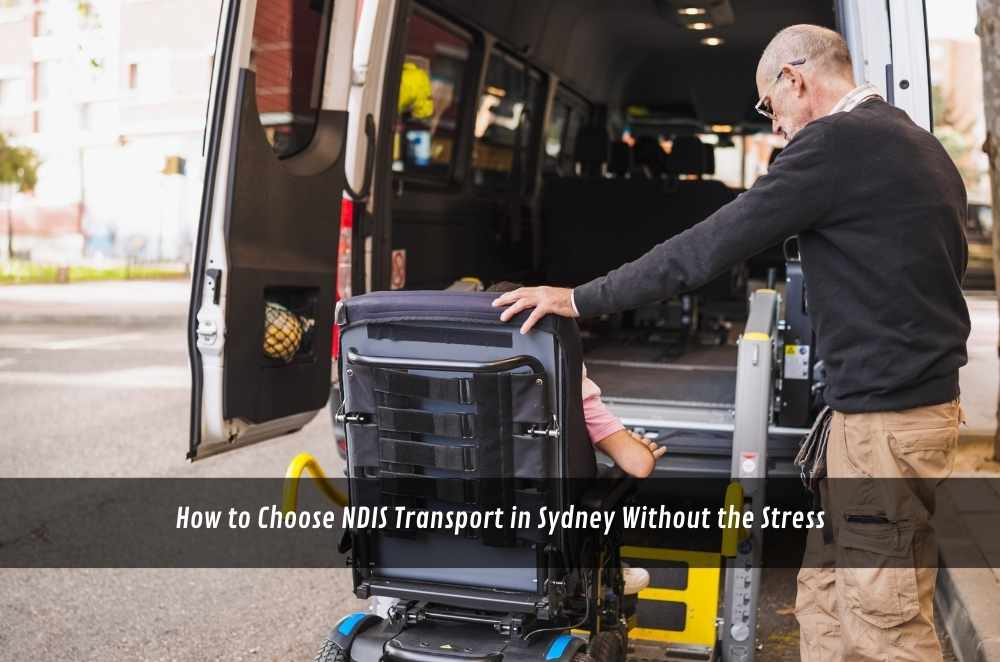
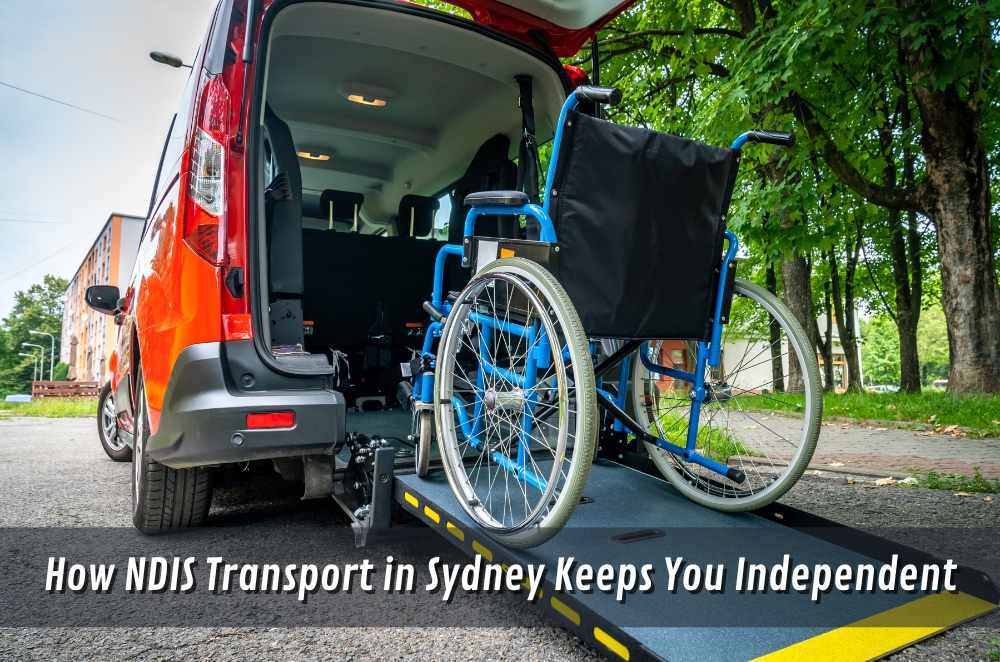
Can the vehicle fit the mobility aid properly (not “it should be right”)?
Who helps with doors, kerbs, and building entry?
What’s the plan if distress or overwhelm kicks in mid-trip?
Is there enough time for transfers and settling in?
Where exactly is pickup and drop-off (which entrance, which side of the street)?
Dignity matters too. No one wants to be rushed, spoken over, or treated like a task.
Operator experience moment
When transport breaks down, it’s rarely because families didn’t try. It’s usually because the plan looks fine on paper but doesn’t match the person’s real day. I’ve seen one late pickup turn into a missed appointment, a meltdown, and a wiped-out afternoon. Small mismatches snowball quickly.
Australian SMB mini-walkthrough: a small clinic trying to reduce missed sessions
A suburban allied health clinic notices late arrivals and no-shows.
They ask families for the top three transport pain points (short list, not a big form).
They move some bookings away from school-zone peak traffic.
They confirm the exact pickup entrance for each client (no assumptions).
They encourage a “good day” plan and a “rough day” backup option.
They built in five minutes for arrival and settling, not just the session time.
Over a few weeks, things run calmer, and families feel less on edge.
It’s not fancy. It’s consistent.
Sydney-specific hiccups (and how to reduce them)
Sydney traffic is the obvious one. Add buffers for hospital precincts and cross-city travel, and aim to arrive early when possible.
Parking and building access are the sneaky ones. “Front door” can mean three different places in one complex.
One unclear handover can undo a whole week of planning.
If you’re exploring what a structured approach can look like locally, this overview of NDIS transport services Sydney offers a useful reference point.
How to tell if your setup is working
You don’t need complicated tracking. Look for signals:
Appointments are attended more consistently
The participant is calmer before and after travel
Families aren’t constantly troubleshooting
Support feels safe, respectful, and predictable
The week is easier to plan around
If those aren’t improving, review the setup and tighten the routine. Small changes often make the biggest difference.
Key Takeaways
NDIS transport support is about reducing disability barriers to everyday activities, not covering all travel costs.
Separate transport funding (money) from transport support (practical help) so you plan the right way.
Map real weekly trips and barriers first, then match supports based on risk and effort.
Build Sydney buffers: traffic, parking, building access, and clear handovers.
If transport keeps causing stress, it’s a sign the routine or support level needs adjusting.
Common questions we hear from Australian businesses
“How do we set transport routines without families feeling like they’re managing a roster?”
Usually, the simplest routines feel the least demanding. Set one shared calendar, agree on a pickup window, and nominate one point of contact for changes. A practical next step is a one-page handover checklist (who meets who, where, and what happens if someone is late). In Sydney, adding traffic buffers can stop families from feeling like they have to be “on standby” all day.
“How do we budget when the week is unpredictable?”
It depends on how often plans change. In most cases, split trips into “must-happen” (health, essential therapy) and “nice to have” (optional outings), then plan support around must-haves first. Next step: review the last 2–4 weeks and note what changed and why. Sydney schedules shift quickly, so having a backup option for key appointments can prevent last-minute scrambles.
“How do we know if we’re using the right support level for travel?”
Usually, you can tell by the outcomes: safe travel, calmer arrivals, and fewer blow-ups around transitions. Next step: write down what happens on a hard day (fatigue, anxiety, mobility issues) and match supports to that reality—not the best case. With Sydney travel times, the right support level often includes extra transition time, not just the drive.
“What should we document to reduce disputes or confusion about transport supports?”
In most cases, boring clarity wins. Keep pickup/drop-off points, handover responsibilities, and access or safety notes in writing. Next step: create a simple transport summary that families and staff can follow. In Sydney, where entrances and parking vary a lot, spelling out the exact meeting point prevents repeat problems.






Write a comment ...